Digital Milestones in Smartphone-Based Poker: Bridging to Sponsored Event Access
Written by Sam Berger · Oct 14, 2026
Digital Milestones in Smartphone-Based Poker: Bridging to Sponsored Event Access
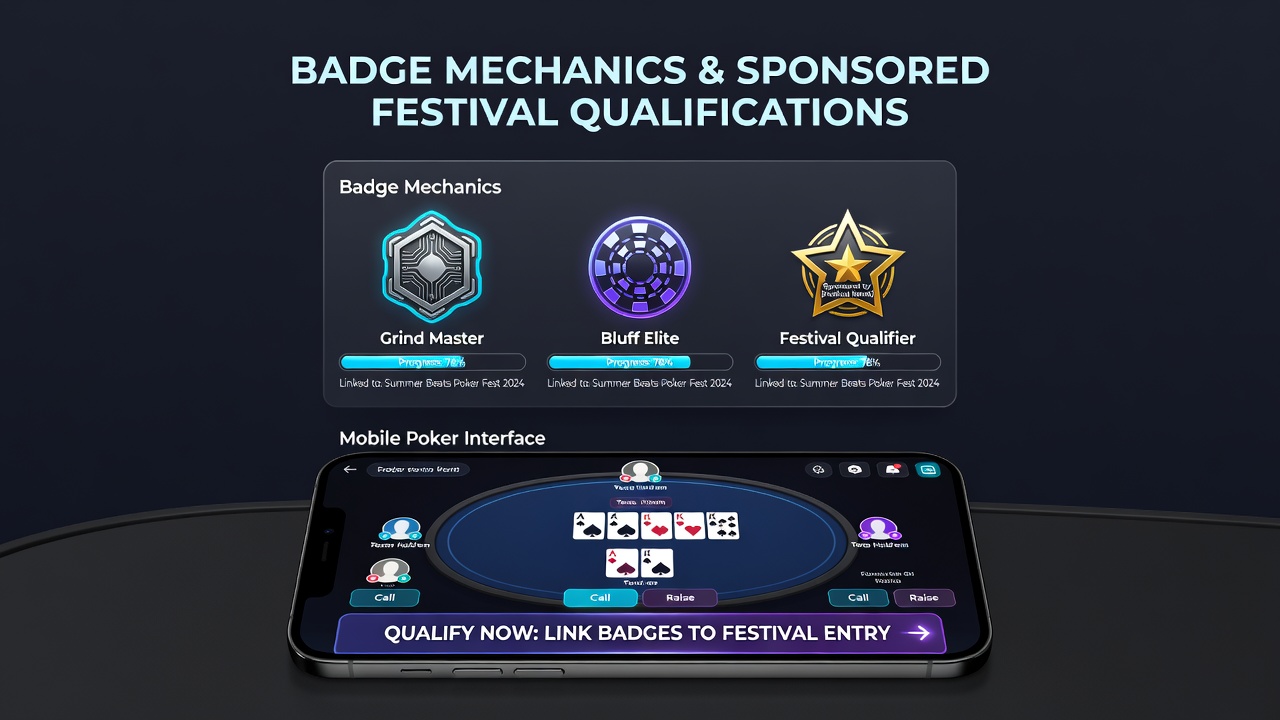
Badge systems in mobile poker applications track specific player accomplishments through structured criteria such as consecutive wins, volume of hands played, and participation in daily challenges, and these indicators often connect directly to qualification routes for sponsored festivals. Developers design the mechanics to reward consistent engagement while creating measurable pathways that can convert virtual progress into real-world tournament entries. Data from industry reports shows that many platforms integrate badge completion with tiered reward programs, where reaching certain milestones automatically registers players for satellite events or grants direct access passes.
Core Components of Badge Tracking Mechanisms
Each badge operates on predefined parameters that applications monitor in real time, including win rates above specified thresholds, total rake contributed over set periods, and completion of themed missions during promotional windows. These systems log achievements in centralized player profiles that sync across devices, allowing seamless updates when users switch between sessions. Researchers at academic institutions have documented how such tracking relies on backend algorithms that flag completions instantly and notify users through push alerts, which then prompt next steps toward festival qualifications. In October 2026 several major applications rolled out enhanced badge categories tied to seasonal overlays, expanding options for players seeking entry into live circuits.
Pathways from In-App Achievements to Festival Entries
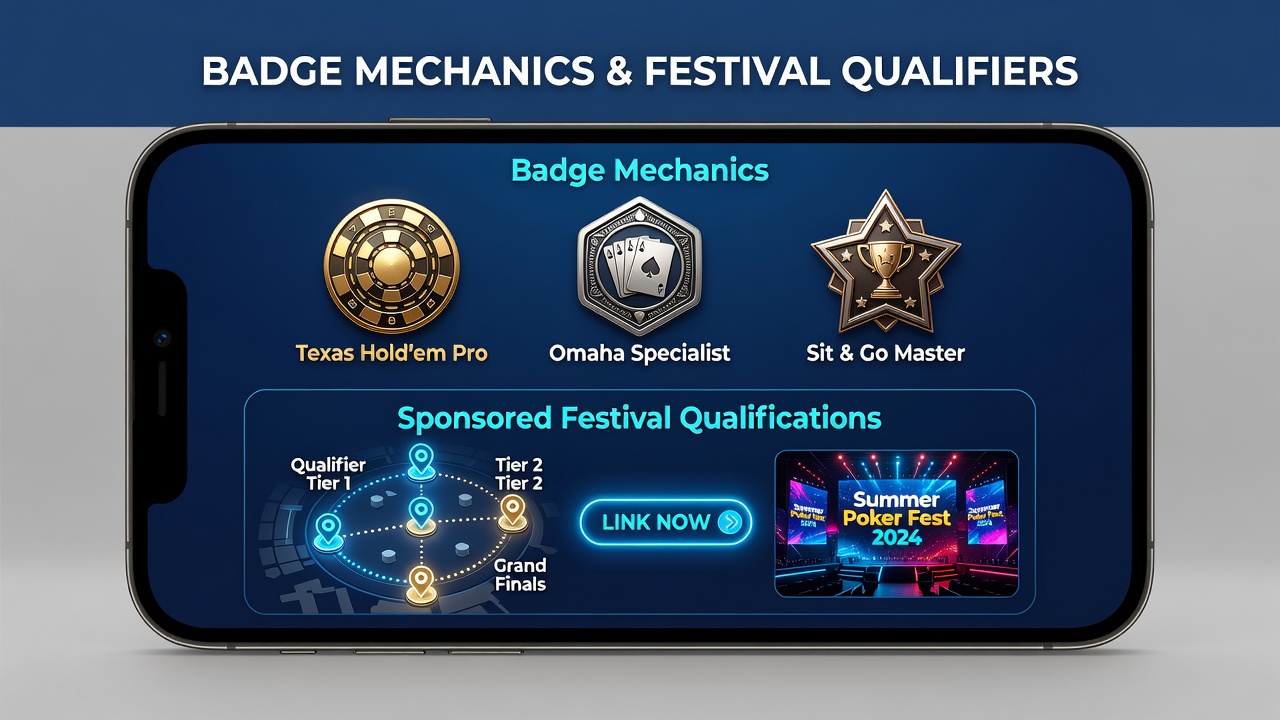
Completion of a badge sequence frequently unlocks satellite registration codes or reduces buy-in requirements for sponsored events at venues like those hosted by international circuits. Platforms link these digital markers to external qualification lists maintained by festival organizers, where verified badge data feeds into eligibility databases. Observers note that this integration streamlines the process because players no longer need separate verification steps once their app records meet the criteria. One documented case involved a series of loyalty badges that granted participants in a European festival satellite series, with entries confirmed through automated API connections between the mobile service and event coordinators. Industry organizations such as the American Gaming Association have published overviews of how these digital-to-live linkages operate across regulated markets.
Regional Variations in Badge Implementation
North American applications tend to emphasize volume-based badges that accumulate through high-frequency play sessions, whereas European platforms often incorporate skill-oriented challenges linked to strategy benchmarks. Australian operators, following guidelines from bodies like the Australian Communications and Media Authority, integrate responsible gaming checkpoints into badge progressions to ensure compliance with local standards. These differences affect how quickly players can convert achievements into festival qualifications, with some regions requiring additional regulatory approvals before digital rewards translate to physical event access. Data indicates that cross-border players encounter varying conversion rates depending on the originating application's jurisdiction.
Technical Integration and Data Flow
Behind the scenes, mobile poker interfaces transmit badge status through encrypted channels to partner festival systems, where the information populates qualification rosters in advance of registration deadlines. This flow relies on standardized data formats that prevent duplication or unauthorized claims, and platforms conduct regular audits to maintain accuracy. Those who have examined the architecture report that real-time synchronization occurs during low-traffic periods to minimize server load, while batch updates handle larger qualification waves. Such mechanics support the scale required for global events, where thousands of players may qualify through badge routes in a single cycle.
Player Journey Examples Across Platforms
Take the progression path observed in several applications where an initial streak badge leads to a mid-tier challenge, and successful completion then feeds eligibility for a regional festival qualifier. Another route involves cumulative point badges earned through multi-table sessions that directly map to sponsored entry pools for international circuits. These examples illustrate how the mechanics create layered opportunities without requiring players to navigate separate external portals. Evidence from platform analytics shows higher retention rates among users who engage with badge systems that offer clear festival linkages, though conversion depends on individual play patterns and regional availability.
Conclusion
Badge mechanics in mobile poker interfaces establish direct connections between in-app accomplishments and sponsored festival qualifications by combining automated tracking with verified data exchanges. The systems continue to evolve as operators refine criteria and expand partnerships with live event organizers. Those monitoring developments in October 2026 and beyond observe ongoing refinements aimed at improving accessibility while maintaining compliance across jurisdictions.